Legal Services NYC Testifies on the Preliminary Budget of the NYC Human Rights Commission and Its Role Enforcing the NYC Human Rights Law
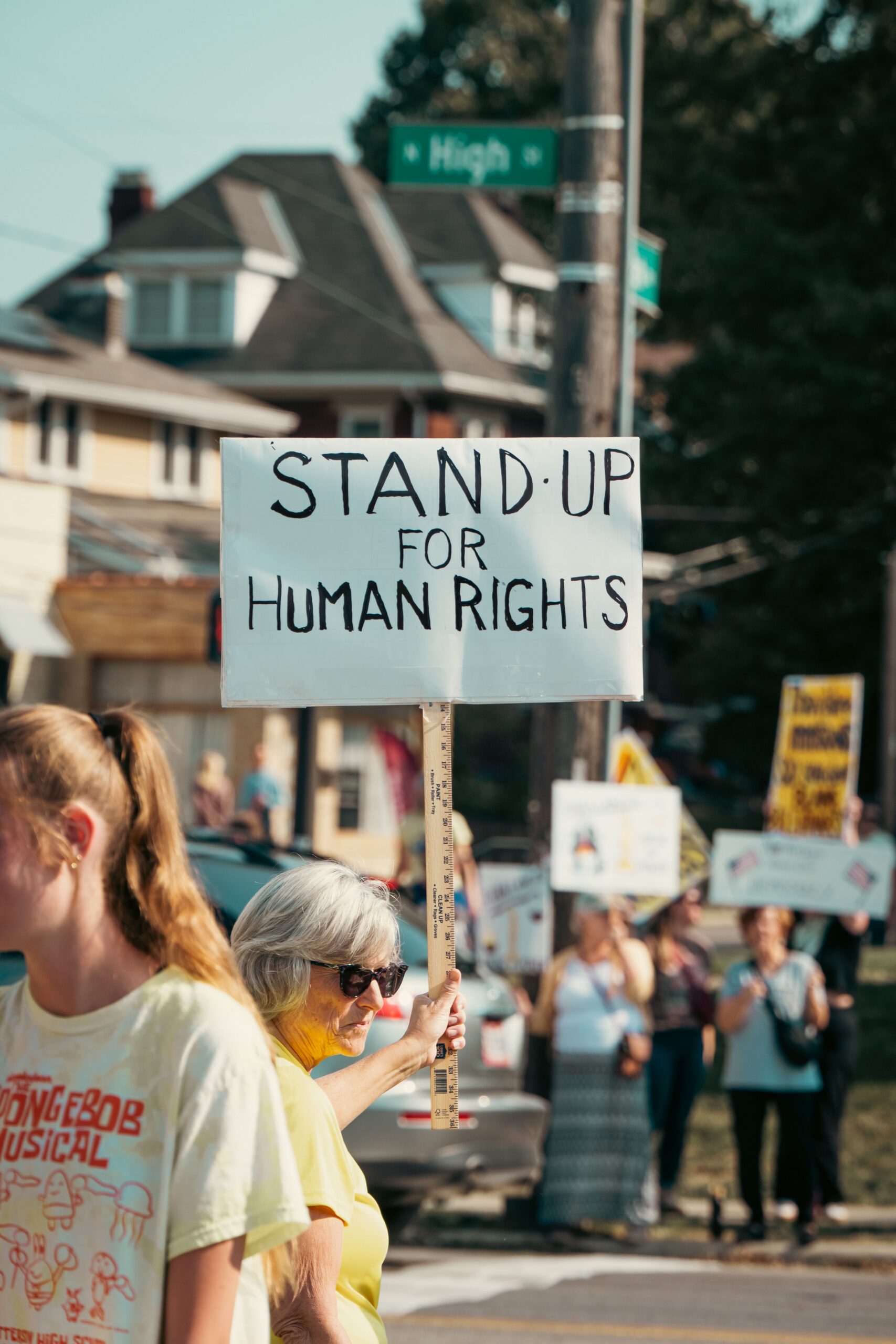
Preliminary Budget:
For the first time in five years, the preliminary budget for the City Commission on Human Rights (CCHR) is slated to decrease. New York City has some of the toughest anti-discrimination laws in the country, but because of chronic underfunding of the CCHR, enforcement lags. Presently, the CCHR has 109 employees, less than half the staff it had during the Dinkin’s administration, to serve New Yorkers facing discrimination. As one of the few places low-income New Yorkers can turn to for justice, it’s critical that the CCHR be fully staffed so it can properly investigate and adjudicate human rights law violations.
LSNYC presented the following testimony to the New York City Council on March 13, 2026.
My name is Nicole Salk. I have been a Senior Staff Attorney at Brooklyn Legal Services
(BLS) for more than 29 years and have spent the last 20 years in the Workers’ Rights and
Benefits Unit. I am also a proud member of UAW local 2320. As part of my job, I provide
advice and representation to low-wage workers who have experienced employment
discrimination. I am testifying today regarding the preliminary budget for the New York City
Human Rights Commission (CCHR) and the importance of CCHR to enforce the New York City Human Rights Law.
BLS is part of Legal Services NYC, which is the largest civil legal services provider in
the country and is dedicated to fighting poverty and seeking justice for more than 100,000 low-income New Yorkers annually. Legal Services NYC is part of the New York City Human Rights Law Working Group, a coalition of legal services organizations, civil rights advocates, and others which formed in 2014 to address the New York City Commission on Human Rights (CCHR)’ failure to enforce the New York City Human Rights Law (NYCHRL) effectively.
Thanks to the City Council, New York City has the strongest anti-discrimination laws in
the country. The CCHR is tasked with enforcing the NYCHRL and for most working and poor
residents of NYC, who may not be able to afford private attorneys to represent them in court, the Commission is one of the few places that they can turn to when they are the victims of
discrimination.
The Preliminary Budget for the CCHR is only $14,961,000. This would be the first
budget decrease in five years for the CCHR. To provide historical perspective, the CCHR has
109 staff members, which is less than half the number of staff that the CCHR had under the
Dinkins administration in 1992 – a time when the CCHR served fewer people and enforced less expansive laws. Under both the Giuliani and Bloomberg administrations, funding for the CCHR was decimated (in 2013 the CCHR had less than 60 employees) and the CCHR gained the reputation of a place to avoid if you wanted justice. While funding increased during the
DeBlasio administration and the CCHR was able to begin to work toward fulfilling its mandates, the CCHR has never been able to properly investigate many cases of discrimination or do the affirmative anti-discrimination work it has been tasked to do. From the beginning of 2022 through the end of 2025, the budget for the CCHR actually increased slightly each year. However, the CCHR was unable to fill many vacancies due to the City’s Office of Management and Budget (OMB) slowdowns, which cost them qualified candidates who were forced to wait months for approval, and the Program to Eliminate the Gap (PEGS). CCHR currently has 30 vacancies because of this.
The inadequacy of the CCHR budget is born out in my own experiences advising and
representing clients who bring cases to the CCHR only to have them languish for years. As an example, I filed a case at the CCHR in 2022 for a client who experienced severe sexual
harassment at a job where she is still employed. Up until very recently, the CCHR failed to
investigate the case. During the last almost 4 years, the case was transferred several times and then left unassigned due to understaffing. As a result of the case sitting for so many years, the employer has not been held accountable, which is particularly problematic as my client continues to face sexual harassment at this same job.
I also represented a client, sick with cancer, who experienced source of income (SOI)
discrimination when she attempted to use a voucher for a new apartment as she was being
evicted from her old apartment. CCHR is the main agency tasked with enforcing SOI
discrimination, which is an epidemic problem in NYC. This epidemic has worsened because of a recent Appellate Court decision striking down the State law which will only embolden
landlords to further discriminate against voucher holders. Rather than file a complaint with the CCHR, with the likelihood of a long wait for an uncertain result, the client was forced to move to a location that was both precarious and far away from her son’s school. My client’s situation showcases the need for additional resources to enable pre-complaint intervention by the CCHR. The failure of the City to properly fund the CCHR means that housing insecure individuals are forced to make hard choices and/or remain in shelters for long periods of time.
I want to be clear, the CCHR staff are both dedicated and talented.
It is not for lack of commitment that cases are not resolved — it is a question of inadequate resources. The Commission must be staffed up to properly investigate and prosecute the complaints it is receiving in a timely manner. Cases filed with the Commission are taking far too long to come to resolution – not for lack of effort but for lack of personnel. The Commission must increase mediation to resolve cases quickly but cannot do so without adequate staffing and the funding this requires.
It is crucial for all New Yorkers that the Commission be fully staffed so that it can
properly investigate and adjudicate violations of the Human Rights Law, particularly now when the Commission may be one of the few places that low-income New Yorkers can seek justice.
Nicole Salk
Legal Services NYC
Join us. Demand Justice.
In this extraordinarily challenging moment, your partnership with LSNYC is critical. Please join us by making your gift today.