Legal Services NYC Comments on New Barriers to Low-Barrier Shelters for Homeless New Yorkers
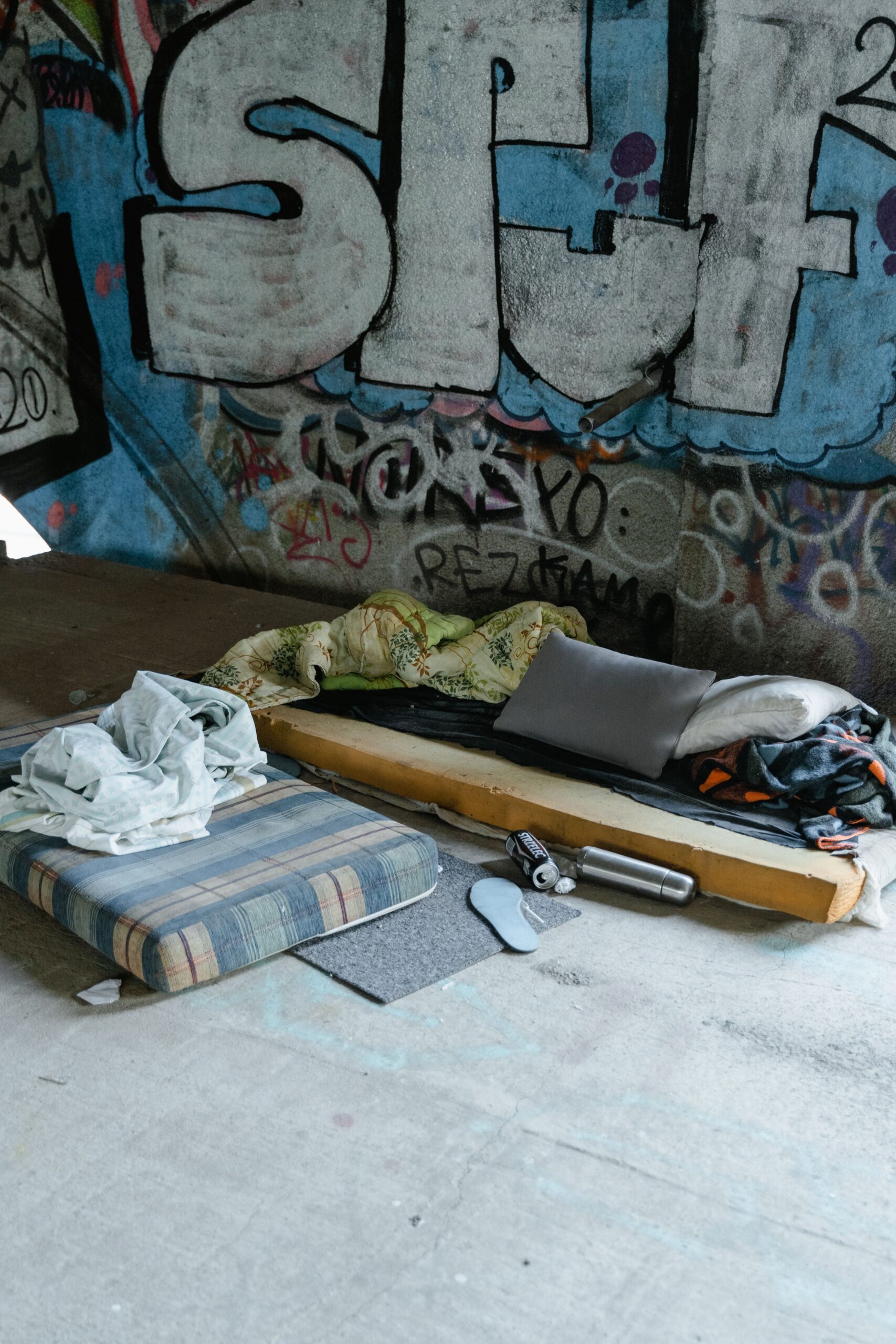
Proposed Rule:
A rule proposed under the Adams administration requires that people experiencing unsheltered homelessness have official DHS documentation of at least six months of street homelessness or six months of intermittent shelter use of DHS shelters (no other shelters or documentation of street homelessness count) to quality for admission for low-barrier shelter.
Legal Services NYC argues the proposed rule makes it harder for people experiencing homelessness to qualify for low-barrier shelter and could prevent some of the city’s most vulnerable New Yorkers from getting shelter when they need it most, particularly people who have had difficulty engaging with the shelter system or whose homelessness has not been documented by DHS.
Department of Homeless Services (DHS) Rule on Low-Barrier Transitional Housing Placement (Title 31, Chapter 6 of the Rules of the City of New York, February 6, 2026
Dear Mayor Mamdani,
Legal Services NYC (LSNYC) is writing to convey how the client communities LSNYC serves
will be negatively impacted by the “DHS Rule on Low-Barrier Transitional Housing
Placement.” This new rule will have a significant impact on the lives of some of the most
vulnerable individuals we work with. LSNYC has 12 locations citywide, including offices in
every borough, and serves over 112,000 low-income New Yorkers annually. We
encounter and support homeless individuals and those with serious mental illness in
practices across our agency.
This new DHS rule creates onerous new eligibility criteria for admission of people experiencing unsheltered homelessness into low-barrier shelter. The rule, first proposed under the prior mayoral administration, requires people experiencing unsheltered homelessness to have official DHS documentation of at least six months of street homelessness or six months of intermittent shelter use of DHS shelters (no other shelters or documentation of street homelessness count) to quality for admission for low-barrier shelter. While we understand the logic of prioritizing limited resources for those with the most urgent needs, urgency in homelessness does not always correlate with clean documentation or length-of-time thresholds. For a group of persons often afraid to engage with DHS or contracted outreach, the required documentation standards will often be difficult or impossible to meet. And the rule does not take into account time periods spent in non-DHS shelters such as the HRA and/or the RHY system. Insisting on proof tied to specific durations of homelessness as documented by DHS will become an additional barrier rather than a tool for prioritization. It risks delaying assistance until after harm has already occurred, rather than preventing that harm in the first place.
To require people experiencing unsheltered homelessness to endure months of street
homelessness or bounce in and out of congregate shelter for an extended period before
offering assistance is cruel and antithetical to the goals of low-barrier shelter. Low-barrier
shelter exists precisely because traditional systems fail to meet people where they are.
Any approach that conditions access on prolonged exposure to unsheltered homelessness or shelter cycling rather than immediacy and safety moves us further away from the purpose these programs were created to serve. Given the recent exposure deaths of people experiencing unsheltered homelessness on our City’s streets, this rule is in direct contradiction to your commitment to ensure that unsheltered New Yorkers receive the care that they need rather than dehumanizing “sweeps,” the threat of involuntary commitment simply because they cannot meet survival needs, and other interventions grounded in stigmatization and criminalization of our most vulnerable neighbors.
In the face of limited low-barrier shelter capacity, we urge your administration to focus
on more effective solutions rather than additional barriers to coming inside. These include adding sufficient capacity to the current low-barrier shelter system, and ensuring that people who utilize those beds receive the on-site case management needed to transition to permanent housing solutions. We must also create more policies that remove barriers to engagement for people experiencing unsheltered homelessness who have been afraid or unwilling to engage with the Department of Homeless Services or contracted outreach.
Finally, we must prioritize dealing with the ongoing bureaucratic and other barriers to
accessing supportive housing, which plays a significant role in the perpetual crisis of
supportive housing vacancies in our city. The myriad barriers to accessing supportive
housing leaves many of the same individuals in need of low-barrier shelter and
transitional beds persistently homeless.
We offer these concerns in the spirit of partnership and request an opportunity to meet
with you and discuss our concerns. We look forward to hearing from you.
Sincerely,
Carolyn Norton, Interim Chief of Litigation and Advocacy, LSNYC
Craig Hughes, Social Worker, Brooklyn Tenant Rights Coalition, LSNYC
Join us. Demand Justice.
In this extraordinarily challenging moment, your partnership with LSNYC is critical. Please join us by making your gift today.